


How to Deal with Biohazard Cleaning After Incontinence
Incontinence-related incidents often involve urine and faeces, which are categorised as biohazardous waste due to the potential transmission of pathogens such as E. coli, Norovirus, C. difficile, or Hepatitis A.
Whether it’s a one-off incident in a private home or part of routine care in a nursing or residential home, here’s how to safely manage the clean-up. Call us for professional biohazard cleaning services covering and safely handling the entire cleaning and waste removal. Call now on +44 7506 709450
⚠️ Step-by-Step Guide to Cleaning Incontinence Biohazards

1. Assess the Situation
- Determine the extent of contamination (furniture, carpets, bedding, flooring).
- Identify if the affected person has a known infection that may require extra precautions (e.g. MRSA, COVID-19).
2. Wear Appropriate PPE
Always use personal protective equipment, including:
- Disposable gloves
- Face mask (FFP2/FFP3 for infection control)
- Apron or disposable gown
- Eye protection (if splashing is possible)
3. Contain and Remove Waste
- Use clinical-grade absorbent pads to soak up liquid.
- Scoop solid waste with a disposable tool or paper towels.
- Double-bag soiled materials and dispose of them in clinical or offensive waste bins, not general refuse.
4. Clean and Disinfect the Area
- Use a disinfectant rated EN 14476/EN 1276 for virus and bacteria kill.
- Clean from the outside of the contaminated area toward the centre to avoid spreading pathogens.
- For soft furnishings, consider steam cleaning or use a professional decontamination service.
5. Deodorise
- If odour persists, use odour-neutralising sprays or ozone treatments.
- Avoid masking the smell with strong fragrances, as this may irritate sensitive individuals.
6. Dispose of PPE and Clean Equipment
- Remove gloves last and wash hands thoroughly.
- Dispose of PPE in clinical waste if in a care or medical setting.
- Clean any reusable cleaning tools with disinfectant and store safely.
Impact of Bodily Fluids on Human Health
Bodily fluids play an essential role in human biology, but when exposed outside the body—especially in uncontrolled environments—they can pose serious health risks due to the presence of infectious pathogens. Proper handling, cleaning, and disposal of bodily fluids is critical for infection prevention and maintaining public health.
🧪 What Are Bodily Fluids?
Bodily fluids are liquids produced or excreted by the human body. Common types include:
- Blood
- Urine
- Faeces
- Vomitus (vomit)
- Saliva
- Semen and vaginal secretions
- Sweat
- Amniotic fluid
- Cerebrospinal fluid (CSF)
- Breast milk
Some of these are biohazardous due to the potential to carry viruses, bacteria, and parasites that can cause serious illness.
⚠️ Health Risks Associated with Bodily Fluid Exposure
Unprotected exposure to bodily fluids can result in infection, disease transmission, and even death. Key health concerns include:
1. Bloodborne Pathogens
- HIV (Human Immunodeficiency Virus)
- Hepatitis B (HBV)
- Hepatitis C (HCV)
Transmitted via blood-to-blood contact (e.g. needle sticks, open wounds, mucous membranes).
2. Gastrointestinal Infections
- Norovirus
- E. coli
- Clostridioides difficile (C. diff)
- Salmonella
Often found in faeces and vomit, posing a high risk in care homes, hospitals, and public areas.
3. Respiratory Pathogens
- COVID-19
- Influenza
- Tuberculosis (TB)
Spread through droplets in saliva, mucus, or via contaminated surfaces.
4. Sexually Transmitted Infections (STIs)
- Gonorrhoea
- Chlamydia
- Syphilis
- HIV
Present in semen, vaginal fluids, and blood.
5. Zoonotic Infections
In settings where animals and humans interact (e.g. veterinary clinics), bodily fluids can also spread zoonotic diseases like Leptospirosis or Toxoplasmosis.
🧤 How Exposure Occurs
Bodily fluids may enter the body via:
- Open cuts or abrasions
- Eyes, nose, or mouth (mucous membranes)
- Inhalation of aerosols or droplets
- Accidental ingestion
- Improper handling or disposal
🛡️ Prevention & Safe Handling
To reduce risk:
- Always wear Personal Protective Equipment (PPE): gloves, aprons, masks, and eye protection
- Clean spills immediately with EN-standard disinfectants (e.g. EN 14476 for viruses)
- Dispose of contaminated waste in clinical or hazardous waste containers
- Use biohazard kits in schools, workplaces, and healthcare settings
- Wash hands thoroughly with soap and water after exposure
🏥 High-Risk Environments
The impact of bodily fluids is greatest in settings where vulnerable populations or high exposure levels exist:
- Care homes & nursing facilities
- Hospitals & clinics
- Schools & nurseries
- Public transport & restrooms
- Crime scenes & trauma incidents
- Hoarder or void properties
🏠 When to Call a Professional Biohazard Cleaning Company
You should seek specialist cleaning help when:
- Contamination covers large areas or multiple surfaces
- The person has a known infectious disease
- The odour or mess cannot be removed with normal cleaning
- It occurs in shared or public spaces (e.g. care homes, waiting areas)
- For insurance purposes where certified cleaning is required
When to Call a Biohazard Cleaning Specialist
Professional intervention is essential when:
- Large areas are contaminated
- The bodily fluids are linked to a known infectious disease
- There is risk to the public or vulnerable individuals
- The environment must meet CQC, NHS, or HSE standards
Biohazard cleaning companies use certified technicians, advanced PPE, hospital-grade disinfectants, and waste tracking systems to ensure safe, legal, and compliant remediation.
Professionals use industry-standard PPE, fogging disinfection, and can provide documentation for CQC, NHS, or landlord compliance.
✅ Best Practices in Residential and Care Settings
- Keep biohazard kits accessible (gloves, aprons, absorbent materials, disinfectant).
- Train staff on infection control procedures in line with HSE and CQC guidance.
- Maintain a cleaning log and document all incidents.
- Review infection prevention protocols regularly.
🧾 Related Services Often Required:
- Infection control fogging
- Odour removal
- Carpet and upholstery cleaning
- Disinfection of medical beds and mobility equipment
- Routine care home deep cleans
- Biohazard waste collection and disposal
Incontinence Cleaning Checklist (Professional & Domestic Use)
Cleaning after an incontinence incident requires sensitivity, hygiene, and proper procedures to prevent the spread of infection and maintain dignity. This step-by-step checklist ensures safe, thorough and compliant cleaning using industry best practices.
📋 PRE-CLEANING: Preparation
- ☐ Assess the Area
- Identify extent of contamination (floor, furniture, bedding, etc.)
- Check for presence of urine, faeces, or vomit
- ☐ Ventilate the Space
- Open windows if safe to do so
- Switch on extractor fans if available
- ☐ Wear PPE (Personal Protective Equipment)
- Disposable gloves
- Apron or disposable gown
- Face mask (if splashing risk)
- Eye protection (if necessary)
- ☐ Gather Cleaning Supplies
- Clinical-grade disinfectant (EN 1276 / EN 14476 certified)
- Absorbent pads or paper towels
- Disposable waste bags (preferably yellow for clinical/offensive waste)
- Mop, bucket, disposable cloths or colour-coded cloths
- Deodoriser (optional but recommended)
- Hand sanitiser / soap and water
🧽 CLEANING PROCESS
- ☐ Contain and Remove Waste
- Soak up fluids with absorbent pads or disposable towels
- Scoop up any solids carefully
- Double-bag all soiled materials
- ☐ Clean Hard Surfaces
- Clean contaminated area with hot water and detergent
- Apply disinfectant and leave for required contact time
- Rinse or wipe with clean water if product requires
- ☐ Clean Soft Surfaces (e.g. carpets, upholstery)
- Blot liquids – avoid rubbing
- Use carpet cleaner or steam clean if required
- Consider using a professional for deep contamination
- ☐ Clean and Replace Linens or Clothing
- Remove and wash affected bedding or clothing on a high-temperature wash (60°C+)
- Dispose of any unsalvageable items
- ☐ Odour Treatment
- Apply a biological odour eliminator or use an ozone machine if needed
- Avoid using overpowering fragrances that may cause discomfort
- ☐ Dispose of PPE & Cleaning Waste
- Remove gloves last and dispose of in clinical or offensive waste
- Tie and seal waste bags securely
- Clean and disinfect reusable equipment (mops, buckets)
🧼 POST-CLEANING
- ☐ Wash Hands Thoroughly
- With soap and warm water for at least 20 seconds
- Use moisturiser to prevent skin dryness after frequent washing
- ☐ Document the Incident(for care settings)
- Record in cleaning log or care notes
- Note date, time, location, and any observations
- Inform appropriate staff or healthcare provider if needed
- ☐ Restock Supplies
- Replace used PPE, cleaning agents, and absorbent materials
- Check expiry dates on disinfectants
🔒 Best Practices
- Keep a dedicated incontinence cleaning kit readily available
- Follow COSHH guidelines for chemical use
- Train all care or cleaning staff on infection control protocols
- Be non-judgemental and respectful throughout the process
- Use colour-coded cloths/mops to prevent cross-contamination
Incontinence Cleaning: Materials, Equipment, PPE & Health & Safety Guidelines
Cleaning up after an incontinence incident—whether in a home, hospital, care facility, or public space—requires more than standard cleaning supplies. It involves infection prevention, personal safety, and safe waste disposal in line with UK health regulations.
🧪 Essential Cleaning Materials
- Absorbent pads / incontinence spill kits – for soaking fluids
- Disposable paper towels / cloths – single-use only
- Clinical-grade disinfectant – certified to EN 1276 (bacteria) and EN 14476 (viruses)
- Hot water and detergent – for pre-cleaning surfaces
- Deodorising spray – biological odour eliminators recommended
- Bin liners – colour-coded (yellow/orange for hazardous waste)
- Laundry bags (water-soluble) – for contaminated bedding or clothing
- Steam cleaner / carpet shampoo – for soft furnishings if needed
🛠️ Recommended Equipment
- Colour-coded mops and buckets (in line with NHS/CQC guidance)
- Fogging machine or ozone generator – for disinfection and odour control
- Sharps container – in case of needle or blade presence
- Cleaning trolley – for easy segregation of clean and contaminated tools
- Labelled storage – for separating biohazard materials from general stock
🧤 Required PPE (Personal Protective Equipment)
To protect staff or caregivers, the following PPE must be worn:
- ✅ Disposable gloves (nitrile or latex)
- ✅ Disposable apron (or full gown for heavy contamination)
- ✅ Face mask (Type IIR or FFP2/3 if aerosols likely)
- ✅ Eye protection (goggles or face shield)
- ✅ Closed footwear – slip-resistant and wipeable
All PPE should be disposed of immediately after cleaning and replaced for every new incident.
⚠️ Health & Safety Guidelines (UK Standards)
Comply with the following UK-specific health and safety laws and standards:
🛡️ Key Regulations
- COSHH (Control of Substances Hazardous to Health)
- HSE (Health and Safety Executive) guidance on biological hazards
- CQC Infection Prevention Control in care homes and healthcare settings
- PHE (Public Health England) and UKHSA guidance for infectious waste
🧼 Best Practice Procedures
- Conduct a risk assessment prior to cleaning
- Isolate the contaminated area where possible
- Always clean from clean to dirty zones
- Avoid splashing or aerosolisation during cleaning
- Never mix chemicals (e.g. bleach and ammonia)
- Wash hands thoroughly for at least 20 seconds after cleaning
- Maintain a cleaning log and record all incidents
♻️ Safe Disposal of Hazardous & Contaminated Waste
Correct disposal of biohazard waste is essential to avoid public health risks and legal violations.
🗑️ Waste Segregation:
- Yellow bags – Infectious or clinical waste (if disease known/suspected)
- Tiger stripe bags (yellow with black stripes) – Offensive hygiene waste (e.g. faeces, incontinence pads, PPE with no known infection)
- Sharps bins – For any needles, broken glass, or cutting hazards
🔐 Disposal Rules:
- Do not dispose of bodily fluid waste in general bins
- All clinical waste must be collected by a licensed waste contractor
- Keep waste transfer notes and waste consignment notes for legal compliance
- Store sealed bags in designated waste areas away from the public
- Train all staff in waste handling and disposal protocols
✅ Summary Checklist
| Task | Completed |
|---|---|
| All PPE worn and disposed of correctly | ☐ |
| Correct disinfectants used (EN 1276/EN 14476) | ☐ |
| Waste double-bagged and colour-coded | ☐ |
| Incident recorded in cleaning or care log | ☐ |
| Hands washed and surfaces disinfected post-clean | ☐ |
| Cleaning equipment disinfected or disposed of | ☐ |
💷 Estimated Costs of Incontinence Cleaning Services in the UK
Incontinence incidents—whether one-off or recurring—require professional cleaning to ensure hygienic, odour-free, and safe environments. Pricing for incontinence cleaning varies depending on the extent of contamination, property type, urgency, and any biohazard risks involved.
Below is a guide to help you understand typical costs for residential, commercial, and industrial settings across the UK.
🏠 Residential Incontinence Cleaning Costs
In homes, incontinence cleaning typically involves flooring, upholstery, bedding, or mobility equipment.
| Service Type | Estimated Cost (excl. VAT) |
|---|---|
| Minor incident (single room, light soiling) | £490 – £750 |
| Moderate contamination (multiple surfaces) | £750 – £1250 |
| Deep cleaning with disinfection & deodorising | £1200 – £1350 |
| Odour treatment (ozone or fogging) | £200 – £450 (add-on) |
| Emergency call-out (within 2 hours) | +£175 – £325 surcharge |
Tip: Homeowners may be eligible for support from care providers or local councils in long-term care settings.
🏢 Commercial Incontinence Cleaning Costs
For care homes, medical clinics, offices, and public buildings, pricing reflects infection control standards, compliance, and scope.
| Service Type | Estimated Cost (excl. VAT) |
|---|---|
| Single toilet/area sanitisation | £350 – £380 |
| Multiple room/ward treatment | £400 – £650 |
| Fogging / full disinfection | £350 – £600 |
| Emergency same-day response | +£195 – £450 |
| Regular scheduled cleaning (weekly/monthly) | From £520 per visit |
Prices may vary based on CQC or NHS-compliance cleaning requirements.
🏭 Industrial / Large-Scale Incontinence Cleaning Costs
Industrial environments such as factories, warehouses, or transport hubs may require larger-scale or high-risk cleaning involving strict PPE, waste management, and insurance documentation.
| Service Type | Estimated Cost (excl. VAT) |
|---|---|
| Single area (up to 50 sqm) | £250 – £450 |
| Multiple zones or repeated incidents | £450 – £900 |
| Specialist waste disposal (clinical/offensive waste) | From £75 per collection |
| Fogging & odour neutralisation | £200 – £500 |
| After-hours or 24/7 emergency call-outs | +£125 – £200 surcharge |
Industrial cleaning may also involve risk assessments and COSHH documentation, which may incur an additional fee.
🧾 What Affects the Cost?
- Extent of contamination (surface vs. deep penetration)
- Biohazard risk level (e.g. infectious disease present)
- Number of affected rooms or items
- Type of materials affected (e.g. carpet vs. vinyl vs. upholstery)
- Location (London and SE tend to have higher rates)
- Time of service (out-of-hours or emergency rates)
🧪 Add-On & Optional Services
| Add-On Service | Estimated Cost |
|---|---|
| Odour removal (ozone/hydroxyl/fogging) | £200 – £350 |
| Upholstery or carpet sanitisation | £160 – £350 per room |
| PPE surcharge (for high-risk environments) | £65 – £160 |
| Insurance report & before/after documentation | £130 – £275 |
| Clinical waste collection & disposal | £260 – £350 per pickup |
Need a Quote?
Most professional incontinence cleaning companies offer free quotes, often based on photos or a brief assessment. Always check that the provider:
- Uses EN 1276 / EN 14476 certified disinfectants
- Is insured and trained in biohazard cleaning
- Complies with CQC, HSE, and COSHH regulations
- Provides waste disposal certificates if applicable
Why Carefully Choose a Specialist Biohazard Cleaning Company for Incontinence Cleaning
Incontinence incidents—especially involving urine or faeces—are not only unpleasant but potentially hazardous to health. While general cleaners may manage visible mess, only a certified biohazard cleaning company is trained to properly handle the infection risks, waste disposal, and sanitisation standards required in such situations.
Here’s why making the right choice truly matters.
⚠️ 1. Biohazard Risks Must Be Treated Professionally
Urine and faeces can carry bacteria and viruses such as:
- E. coli
- Norovirus
- C. difficile
- Hepatitis A
- Rotavirus
Professional biohazard cleaners follow infection control protocols to eliminate not just stains, but microscopic pathogens that pose serious health risks—especially in care homes, hospitals, and homes with vulnerable individuals.
🧪 2. They Use Certified Disinfectants and Procedures
Specialist companies use EN 1276 and EN 14476 certified disinfectants to kill bacteria and viruses effectively. They also:
- Follow COSHH regulations for chemical safety
- Clean using colour-coded equipment to avoid cross-contamination
- Decontaminate soft furnishings, bedding, and mobility aids thoroughly
- Provide full disinfection, deodorisation, and waste management
🧤 3. Proper PPE and Health & Safety Compliance
Specialist biohazard cleaners are trained to wear and dispose of correct PPE, including:
- Disposable gloves and aprons
- FFP2/FFP3 face masks
- Eye protection
- Hazard suits if necessary
They are trained in safe handling of biohazardous waste and ensure compliance with Health and Safety Executive (HSE) guidelines.
🚛 4. Legal Waste Disposal Compliance
Incontinence waste often qualifies as offensive or clinical waste and cannot be disposed of in general bins. Specialist cleaners will:
- Use colour-coded yellow or tiger-striped bags
- Arrange legal collection via a licensed waste carrier
- Provide a Waste Transfer Note or Consignment Note for records
This protects your business or care setting from regulatory breaches and fines.
🕊️ 5. They Work with Compassion, Discretion & Dignity
Incontinence incidents are highly sensitive. Reputable biohazard cleaning teams are:
- Non-judgemental and respectful
- Trained to maintain dignity and privacy
- Discreet in appearance and behaviour
- Able to respond quickly without drawing unwanted attention
This is especially important in homes, care settings, or public spaces.
🕓 6. 24/7 Emergency Response and Rapid Attendance
Most specialist biohazard cleaning firms offer 24/7 emergency incontinence clean-up, arriving within 30 to 60 minutes. This rapid response is essential when:
- A room or space must be returned to use quickly
- Odour and hygiene risks must be neutralised fast
- Residents, staff, or family need immediate reassurance
🧾 7. Detailed Reports and Insurance Documentation
Professional cleaners often provide:
- Before & after photos (with permission)
- Method statements
- Insurance-friendly invoices
- Risk assessments
- Compliance with CQC, NHS, and HMO licensing standards
This adds accountability and transparency for property managers, landlords, and care providers.
✅ Summary: Key Reasons to Choose a Specialist Biohazard Cleaning Company
| Reason | Why It Matters |
|---|---|
| Infection Control | Protects against bacteria & viruses |
| Legal Waste Disposal | Complies with UK laws |
| Trained PPE Use | Keeps cleaners and clients safe |
| Discretion & Compassion | Respects dignity and privacy |
| 24/7 Rapid Response | Reduces disruption |
| Deep Cleaning & Deodorisation | Removes stains, odours, and risk |
| Documentation & Compliance | Meets CQC & HSE standards |
⭐⭐⭐⭐⭐ Customer Reviews — Incontinence & Biohazard Cleaning Services UK & Ireland
🧼 Incontinence Cleaning | Mrs. Angela Barrett – Cardiff, Wales
“We recently needed urgent incontinence cleaning for my elderly mother’s home. The team arrived within 45 minutes and were absolutely amazing — discreet, respectful, and incredibly thorough. They sanitised the bedroom and living room using medical-grade products, and even treated the carpet to remove odours. Exceptional service across the board. Highly recommended for anyone needing sensitive and hygienic incontinence cleaning in Cardiff.”
Service Provided: Incontinence Cleaning
Location: Cardiff, Wales
Rating: ⭐⭐⭐⭐⭐
🧽 Trauma & Biohazard Cleaning | David Mullen – Belfast, Northern Ireland
“After a traumatic event at our commercial premises, we contacted the biohazard cleaning specialists. Their response time was under an hour, and they handled the situation professionally and discreetly. Every contaminated area was deep cleaned, disinfected, and deodorised to NHS infection control standards. Easily the best trauma cleaning service in Belfast — fast, reliable, and understanding.”
Service Provided: Trauma Scene Biohazard Cleaning
Location: Belfast, Northern Ireland
Rating: ⭐⭐⭐⭐⭐
🏠 Residential Incontinence Cleaning | Clare Thompson – Manchester, England
“Outstanding service from start to finish. I was so impressed by the empathy shown by the cleaning technician who handled a difficult situation with dignity and professionalism. The room was cleaned, disinfected, and left spotless. They even provided a report for our home care provider. If you’re in Manchester and need incontinence or bodily fluid cleaning, don’t go anywhere else.”
Service Provided: Residential Incontinence Cleaning
Location: Manchester, England
Rating: ⭐⭐⭐⭐⭐
🧹 Commercial Biohazard Cleaning | Michael O’Connor – Dublin, Ireland
“Our office needed emergency biohazard cleaning due to a contamination incident. I was blown away by how quickly the team responded — on site in under an hour and fully equipped. They worked through the night, sanitised every surface, and handled waste disposal in full compliance with Irish regulations. If you need commercial biohazard cleaning in Dublin, these are the people to call.”
Service Provided: Emergency Biohazard Cleaning (Commercial)
Location: Dublin, Ireland
Rating: ⭐⭐⭐⭐⭐
🚽 Toilet & Washroom Sanitisation | Susan Patel – Birmingham, England
“The public toilet in our small café was left in a distressing state. The biohazard cleaning team restored it to pristine condition in just a few hours. They used industrial-strength disinfectants, treated the flooring, and provided a waste disposal certificate. We now use them monthly for preventative washroom sanitisation. Excellent value and superb service in Birmingham.”
Service Provided: Toilet & Washroom Biohazard Cleaning
Location: Birmingham, England
Rating: ⭐⭐⭐⭐⭐
🛏️ Nursing Home Support | Jonathan Davies – Swansea, Wales
“Our care home has used this specialist cleaning company for over a year. They consistently provide exceptional incontinence cleaning, deep disinfection, and odour control. Their teams are always professional, compassionate with residents, and fully compliant with CQC and COSHH guidelines. An essential partner for care providers in Swansea and across Wales.”
Service Provided: Ongoing Incontinence & Biohazard Cleaning Support
Location: Swansea, Wales
Rating: ⭐⭐⭐⭐⭐
🚑 Ambulance Decontamination | Rachel Knight – Glasgow, Scotland
“We required vehicle decontamination after a biological spill in a private patient transport ambulance. The biohazard response team were quick to respond and thoroughly cleaned and disinfected all interior surfaces. Their adherence to infection control standards was impeccable. Highly recommended for emergency vehicle biohazard cleaning in Glasgow.”
Service Provided: Ambulance & Emergency Vehicle Biohazard Cleaning
Location: Glasgow, Scotland
Rating: ⭐⭐⭐⭐⭐
🏢 Office Biohazard Deep Cleaning | Zoe Edwards – Leeds, England
“Following a health incident at our office, we required urgent biohazard cleaning involving bodily fluids. The team were discreet, professional, and detailed in their approach. Our office was cleaned, fogged, and fully safe for return within hours. Great service and excellent follow-up documentation for health and safety compliance.”
Service Provided: Office Biohazard Deep Cleaning
Location: Leeds, England
Rating: ⭐⭐⭐⭐⭐
🧼 Incontinence Cleaning FAQs
Frequently Asked Questions About Professional Incontinence Cleaning Services in the UK & Ireland
❓What is incontinence cleaning?
Incontinence cleaning is a specialised cleaning service that involves the safe, hygienic, and discreet removal of bodily fluids such as urine and faeces, often in residential, care, or clinical environments. It includes disinfection, deodorisation, and safe disposal of any contaminated waste in line with biohazard cleaning standards.
❓Why should I hire a professional incontinence cleaning company?
Professional incontinence cleaners:
- Use certified disinfectants (EN 1276 / EN 14476)
- Are trained in infection control
- Follow COSHH, HSE, and CQC guidelines
- Provide PPE-protected cleaning and clinical waste disposal
- Work with compassion, discretion, and dignity
Hiring a specialist protects health and ensures thorough decontamination.
❓What areas do you cover?
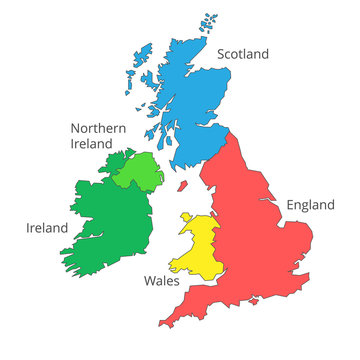
We provide nationwide coverage across the UK and Ireland, including:
- England: London, Birmingham, Manchester, Leeds, and more
- Wales: Cardiff, Swansea, Newport
- Scotland: Glasgow, Edinburgh, Aberdeen
- Northern Ireland: Belfast, Derry
- Republic of Ireland: Dublin, Cork, Galway
Emergency response teams are available 24/7, with attendance usually within 30 to 60 minutes.
❓Is incontinence waste considered hazardous?
Yes, incontinence-related waste is typically classed as offensive waste and sometimes clinical waste depending on infection risk. It must be segregated, double-bagged, and disposed of legally through a licensed waste carrier. We handle this process fully, including documentation.
❓What types of properties do you serve?
We provide incontinence and biohazard cleaning in:
- Residential homes
- Care homes and nursing facilities
- Hospitals and clinics
- Schools and nurseries
- Public toilets and transport facilities
- Commercial offices and hotels
- Industrial properties
❓How quickly can you attend an emergency?
We offer rapid response cleaning, 24 hours a day, 7 days a week. In most areas, we aim to arrive within 30 to 60 minutes of your call. Immediate attendance is crucial for health, safety, and odour control.
❓Do you provide discreet services?
Yes. Our cleaning teams arrive in unmarked or discreet vehicles on request, wear non-branded uniforms, and maintain absolute confidentiality and professionalism, especially in sensitive environments like care homes and private residences.
❓What does the cleaning process involve?
Our incontinence cleaning service includes:
- Risk assessment and area containment
- Safe removal of bodily fluids
- Deep cleaning with appropriate detergents
- Disinfection using EN-certified products
- Odour neutralisation (if needed)
- Waste bagging and licensed disposal
- Post-clean inspection and optional documentation
❓Are your staff trained and insured?
Absolutely. All technicians are:
- Trained in biohazard cleaning, PPE usage, and infection control
- Fully insured with public and employer liability cover
- DBS checked for work in sensitive or regulated settings
- Experienced in working with vulnerable adults and individuals with care needs
❓How much does incontinence cleaning cost?
Costs vary depending on:
- The size of the area
- Level of contamination
- Type of materials affected (e.g. carpets vs hard floors)
- Whether it’s an emergency or routine call-out
Typical costs range from £90 to £350+. For full pricing, see our Incontinence Cleaning Costs Guide or request a free quote.
❓Do you use eco-friendly cleaning products?
Yes, where possible. We use biodegradable, non-toxic, and eco-safe products that still meet medical-grade disinfection standards, keeping your environment safe for people, pets, and the planet.
❓Can you clean mattresses, carpets, and upholstery?
Yes, we provide:
- Upholstery sanitisation
- Carpet steam cleaning and odour treatment
- Mattress disinfection or removal and disposal
- Soft furnishing deodorisation
For severe contamination, we may recommend replacement, and can assist with safe disposal.
❓Do you provide documentation for care providers or landlords?
Yes. Upon request, we can provide:
- Cleaning reports
- Before and after photos
- Waste transfer certificates
- Method statements
- Invoices suitable for insurance or compliance needs (e.g. CQC or HMO licensing)
📞 Still Have Questions?
Call us now on +44 7506 709450 or request a call-back for free advice, quotes, or to arrange an emergency incontinence cleaning near you.