


Step-by-Step Trauma Cleaning Process in UK and Ireland
Professional, Compassionate, Legally Compliant Support When It Matters Most
📑 Table of Contents (Click to Navigate)
- Introduction: What Is Trauma Cleaning
- Why Trauma Cleaning Requires a Specialist Approach
- Situations Requiring Trauma Cleaning Services
- Unattended deaths
- Suicide or self-harm
- Crime scenes
- Hoarding combined with trauma
- Drug paraphernalia and sharps
- Bodily fluids and biohazards
- Legal & Health Compliance in the UK and Ireland
- Relevant legislation (COSHH, Biohazard Waste)
- Dealing with property post-death
- Landlord & housing obligations
- Step-by-Step Trauma Cleaning Process
- Initial risk assessment
- PPE and specialist equipment
- Decontamination and waste disposal
- Final inspection and clearance
- The Human Side: Working with Families & Tenants
- Trauma-informed care
- Communication and consent
- Support networks and aftercare
- Cost of Trauma Cleaning: What to Expect
- Factors affecting pricing
- Example cost ranges
- Public funding, housing support and insurance
- Selecting a Trusted Trauma Cleaning Company
- What to look for
- Questions to ask
- Red flags to avoid
- Nationwide Coverage: England, Scotland, Wales & Ireland
- Local response, national standards
- Regional notes and regulations
- FAQ: Common Questions Answered
- Checklist: Preparing for a Trauma Clean
- Client Stories: Real-World Examples
- Conclusion: Finding Hope After Hardship
🧼 Introduction: What Is Trauma Cleaning?
Trauma cleaning is one of the most sensitive, skilled, and important services a person or organisation may ever need. Often carried out in the wake of tragic or distressing events—such as a sudden death, suicide, serious accident, or biohazard exposure—this type of cleaning is not simply about tidying or sanitising. It’s about restoring dignity, safety, and peace of mind in places where ordinary cleaning would be unsafe or emotionally overwhelming. Call us now on +44 7506 709450
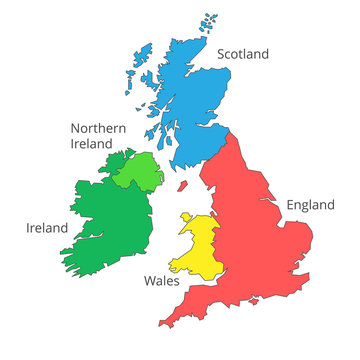
At Biohazard Cleaning Company Ltd, we offer trauma cleaning services across England, Scotland, Wales, and Ireland, with a strong focus on discretion, compassion, and public safety. Our professionally trained team understands that behind every trauma cleaning is a story—of grief, confusion, loss, or sometimes neglect—and we approach every situation with zero judgement and total care.
❗Why Is It So Important?
Trauma scenes often contain hazardous biological material such as blood, bodily fluids, drug paraphernalia, or human waste. These can carry infectious risks including hepatitis, MRSA, or HIV, and should never be handled without the right PPE (personal protective equipment), training, and disposal protocols.
Cleaning up after trauma isn’t only dangerous—it can also be emotionally damaging. Families, landlords, or emergency personnel should not be left to shoulder this burden alone. That’s where trauma cleaning professionals come in: we step in with care, and step out when the space is clean, compliant, and ready to move forward.
🏠 Who Might Need Trauma Cleaning Services?
- Families following the death of a loved one, particularly in unattended or unexpected circumstances
- Landlords or property managers dealing with biohazards, hoarding, or tenants with complex needs
- Housing associations or local authorities responsible for public health and tenancy transitions
- Police, social care, or emergency responders needing safe, fast remediation of a location
- Individuals affected by hoarding disorder, mental health crises, or addiction-related trauma
- Businesses or organisations responding to a public incident or accident on site
🌍 Why This Blog Post Matters
This guide has been created to support families, housing teams, public services, and concerned individuals across the UK and Ireland. Whether you’re facing a crisis now or preparing policies for future situations, this post offers:
- ✅ Clear guidance on what trauma cleaning involves
- ✅ A full explanation of legal, ethical, and health responsibilities
- ✅ Support for making the right choices under pressure
- ✅ Transparent info on costs, coverage, and safety standards
- ✅ A human-first view of what it means to clean with care
🔍 Are you looking for the below type of services online?
- Trauma cleaning services UK / Ireland
- Biohazard cleaning company
- After death cleaning support
- Hoarding and trauma clean-up
- Professional trauma cleaners near me
- Discreet crime scene cleaners
- Biohazard deep clean property
👥 About Biohazard Cleaning Company Ltd
We are a trusted, nationwide trauma and hoarding cleaning company serving England, Scotland, Wales, and Ireland. Our team is professionally trained, DBS-checked, fully insured, and experienced in dealing with emotionally complex clean-ups. We use unmarked vans, provide same-day assessments where possible, and work closely with families, councils, and housing providers.
We clean, but more than that—we help people move forward safely and respectfully.
🧠 Why Trauma Cleaning Requires a Specialist Approach
Trauma cleaning is not simply a matter of mops, bleach, and rubber gloves. It is a highly specialised service that requires technical training, professional-grade equipment, and a deep understanding of health regulations, safe biohazard cleaning services, and—most importantly—human compassion.
Whether the trauma involves an unattended death, suicide, a violent incident, hoarding combined with psychological trauma, or serious contamination, each situation presents unique risks to health, safety, and emotional wellbeing. Here’s why general cleaners simply aren’t equipped for the task.
⚠️ 1. Biohazards Are Dangerous and Often Invisible
Blood, bodily fluids, faecal matter, vomit, and other organic materials may carry a wide range of infectious diseases. Even small amounts of residue can harbour pathogens such as:
- HIV (Human Immunodeficiency Virus)
- Hepatitis B & C
- MRSA
- C. difficile
- Tuberculosis
- Norovirus
These risks are not always visible to the naked eye. Standard domestic cleaning methods not only fail to neutralise these dangers—they may spread them further.
Professional trauma cleaners are trained in infection control, biohazard containment, and safe waste disposal under UK and Irish health law. Every job requires a full risk assessment and proper use of clinical PPE, biohazard-approved detergents, and decontamination equipment.
🧪 2. Not All Surfaces Are Safe to Keep
Porous materials—such as carpets, mattresses, soft furnishings, and even some types of plaster or timber—can absorb and trap contaminants. In trauma scenarios, it’s often not enough to clean the surface. Certain items must be safely removed, double-bagged, and disposed of under hazardous waste rules.
Only trained professionals can identify which materials are salvageable and which pose a continued risk to human health. In cases of suicide or unattended death, odour removal also requires industrial-grade ozone machines or enzymatic fogging systems.
⚖️ 3. Legal Obligations Must Be Met
In both the UK and Ireland, there are strict laws governing trauma cleaning, particularly when biohazards or potential crime scenes are involved.
Professionals must adhere to:
- Health and Safety at Work Act 1974 (UK)
- COSHH Regulations (Control of Substances Hazardous to Health)
- Hazardous Waste (England and Wales) Regulations 2005
- The Waste Management Act 1996 (Ireland)
- Sharps Waste Regulations
- Data Protection (GDPR) when handling client records
Non-compliance can lead to fines, tenant claims, or even criminal liability. By working with a licensed trauma cleaning company, you ensure that health, environmental and legal standards are fully met.
🧘 4. Compassion and Emotional Intelligence Are Essential
Trauma cleaning is emotionally complex. Behind every scene is a grieving family, a distressed neighbour, a housing officer under pressure, or someone living with mental health challenges.
Professionals must be:
- Trained in trauma-informed communication
- Experienced in working with vulnerable people
- Able to work quietly and respectfully, without judgement
- Willing to listen first and act with care
At Biohazard Cleaning Company Ltd, we take time to explain every step, gain consent where needed, and support family members or agencies during what can be one of the hardest times in their lives. We are often the last ones on-site after police, paramedics, or social services have gone—and we approach that responsibility with the respect it deserves.
🧰 5. The Right Equipment Makes All the Difference
Here are just a few examples of what a trained trauma cleaning team might use:
| Equipment | Purpose |
|---|---|
| Full PPE (suits, masks, gloves) | Protects against infection and chemical exposure |
| Fogging machines (ULV or thermal) | Disinfects airborne and surface-borne pathogens |
| ATP swabs and UV lights | Detects unseen contamination and confirms sanitation |
| Sharps bins and clinical waste containers | For safe disposal of needles, blades, and blood products |
| Bio-enzyme sprays and virucides | Breaks down biological material safely |
| Odour neutralisers (ozone or hydroxyl) | Removes persistent organic odours |
This equipment is not available to the general public and is subject to licensing and regulation.
🚫 6. Emotional Risk to Untrained Individuals
It’s not just physical safety at stake. Cleaning up a trauma scene can be deeply traumatising, especially for loved ones or landlords familiar with the individual involved.
Untrained people may:
- Experience shock, guilt, anxiety, or re-traumatisation
- Be exposed to disturbing images or smells
- Attempt to clean without protection and risk infection
- Inadvertently damage a property or violate legal procedures
By hiring a professional team, you allow space for grief, recovery, and dignity, while also ensuring that no one is placed in harm’s way unnecessarily.
✅ In Summary: Why Specialist Cleaning Is Non-Negotiable
Trauma cleaning is a specialist discipline. It requires:
- A professional mindset
- A trauma-informed heart
- Technical equipment
- Legal and biohazard knowledge
- Discretion and emotional resilience
When performed properly, it restores safety, respect, and functionality to a space—and gives the people affected a chance to move forward safely.
🧾 Situations Requiring Trauma Cleaning Services <a name=”situations”></a>
Trauma cleaning is not limited to crime scenes or unattended deaths. In reality, it’s often required in ordinary homes, rental properties, social housing, and community buildings following a wide range of distressing or hazardous events.
Below are the most common situations where trauma cleaning specialists like Biohazard Cleaning Company Ltd are called upon across England, Scotland, Wales, and Ireland.
⚰️ 1. Unattended or Sudden Deaths
When someone passes away and their body is not discovered for hours, days, or even weeks, the biological consequences can be severe. Bodily fluids may leak into carpets, flooring, and furniture, creating significant contamination and odour issues. There is also a high risk of insect activity and airborne pathogens.
Professional trauma cleaning ensures:
- Safe, biohazard-level disinfection
- Disposal of contaminated materials
- Odour elimination and insect treatment
- Clearance in accordance with legal and health standards
👉 These services are often required by landlords, housing associations, or family members who are unable to safely enter the property themselves.
🧠 2. Suicide or Self-Harm Scenes
A suicide or self-harm incident is an emotionally devastating situation for all involved. The aftermath may involve significant biohazard contamination, such as blood or tissue, as well as broken glass or sharps. Emotional trauma also makes these scenes particularly distressing to witness or clean.
At Biohazard Cleaning Company Ltd, our staff are trained in:
- Trauma-informed communication
- Discreet service with unmarked vehicles
- Respect for families and religious/cultural practices
- Aftercare guidance and referral support if needed
We clean with dignity and compassion, never judgement.
🧪 3. Crime Scenes & Forensic Cleaning
After police or emergency services leave, the physical reality of the scene remains. Crime scenes may involve blood, body fluids, forensic powders, fingerprint dust, broken glass, and damage to furnishings.
Our forensic cleaning services involve:
- Liaison with police or housing authorities
- Safe removal of all biohazards
- Documentation and waste tracking (as required)
- Fully insured restoration of the affected area
We understand how sensitive these cases are. We work discreetly, legally, and respectfully.
🗑️ 4. Hoarding With Biohazards
Severe hoarding situations often require more than just clutter removal. When combined with incontinence, rodent infestations, decayed food, or human/animal waste, the property becomes hazardous to health.
Our hoarding + trauma cleaning services include:
- Clutter sorting and removal
- Safe disposal of contaminated items
- Pest control coordination
- Deep cleaning, disinfection and odour control
- Sharps and drug paraphernalia clearance
We work alongside family, carers, housing teams and social workers to ensure the occupant is supported—not shamed.
💉 5. Drug Paraphernalia & Needle Waste
In cases of abandoned properties, drug use, or vulnerable tenancy environments, trauma cleaning is often needed to safely remove:
- Used needles and syringes
- Blood-stained items
- Foil, pipes, and wraps
- Sharp objects or broken glass
- Contaminated furniture or bedding
Improper disposal of sharps can lead to serious injury and disease transmission, which is why our team is trained in Category B waste removal and sharps box handling, in line with UK HSE and Irish HSA regulations.
🚽 6. Bodily Fluids, Faeces & Human Waste
Sometimes, due to illness, injury, mental health conditions, or prolonged neglect, homes are contaminated with urine, faeces, or vomit. This creates not only strong odours but significant bacterial and viral contamination.
Common scenarios include:
- Tenancy clean-outs after illness or injury
- Homes affected by dementia, mobility issues or complex care
- Vandalism or antisocial behaviour incidents
We decontaminate and disinfect surfaces, remove porous furnishings where required, and apply specialist odour-neutralising treatments.
🪳 7. Insect & Decomposition Contamination
When a body has been left for several days or weeks, insect activity is common—especially bluebottle flies, maggots, and beetles. These infest the area, spread contamination, and require biohazard-level clearance.
Our process involves:
- Insecticide treatment and pest removal
- Deep cleaning of soft and hard surfaces
- Structural drying and air purification
- ATP testing to confirm hygiene levels
We ensure that no harmful residues or infestations remain.
🏠 8. Properties Requiring Sensitive Clearance
Some homes or properties require clearance not just for cleanliness, but for psychological safety. This includes:
- Locations where a traumatic event occurred
- Spaces that carry strong odours or reminders of the past
- Properties where tenants have experienced distress or abuse
Our team can clear, clean, and reset these spaces with empathy and full discretion, often enabling loved ones, new tenants, or property owners to move forward without emotional burden.
🤝 Who We Work With
Biohazard Cleaning Company Ltd is trusted by:
- Housing associations and letting agents
- Private landlords
- Funeral directors
- Police and local authorities
- Social workers and safeguarding teams
- Health and mental health support services
- Families, carers, and bereaved individuals
We’re known for our ability to handle difficult jobs with kindness, clarity, and professional skill.
✅ Trauma Cleaning Remedial and Restoration: Aftermath Services
Trauma cleaning is needed wherever life takes an unexpected or tragic turn. Our role is to step in when it’s too much for others, and restore a space to safety, cleanliness, and dignity.
From unattended deaths and suicide scenes to hoarding, sharps, or severe human waste, Biohazard Cleaning Company Ltd is here to help—calmly, legally, and compassionately.
⚖️ Legal and Health Compliance: Trauma Cleaning in the UK & Ireland – Legal Compliance
Trauma cleaning is far more than a cleaning job — it’s a regulated service that involves biohazard risk, hazardous waste disposal, and often legal responsibilities for landlords, property owners, councils, or housing managers.
In this section, we explore the laws, health and safety regulations, and ethical standards that govern trauma cleaning across England, Scotland, Wales, and Ireland.
🏴 UK Legal Framework
Trauma and biohazard cleaning in the UK is governed by several key pieces of legislation. These laws exist to protect the public, ensure professional standards, and prevent the spread of disease.
Here are the most relevant:
1. Health and Safety at Work Act 1974 (UK)
Employers and contractors must ensure the health, safety, and welfare of staff and anyone affected by their work — including clients and the general public.
In trauma cleaning, this includes:
- Use of appropriate PPE (Personal Protective Equipment)
- Full risk assessments prior to work
- Safe handling of biohazardous waste
2. Control of Substances Hazardous to Health (COSHH) Regulations 2002
Trauma cleaners must control exposure to substances that cause health issues — including bloodborne pathogens, disinfectants, sharps, and contaminated items.
Biohazard Cleaning Company Ltd complies by:
- Training all staff in COSHH handling
- Using approved virucidal and antibacterial agents
- Keeping clear chemical use records
3. Hazardous Waste (England and Wales) Regulations 2005
Any waste containing bodily fluids, sharps, or contaminated materials is classed as hazardous. Such waste must be:
- Double-bagged
- Labelled as clinical or biohazard
- Removed only by licensed carriers
- Disposed of at approved facilities
We provide full waste transfer documentation, protecting property owners from liability.
4. Sharps Regulations 2013
If needles, razors, or blades are present, they must be removed using designated sharps bins, not ordinary rubbish.
Only trained trauma cleaners with sharps training and proper disposal methods should handle these materials.
5. The Environmental Protection Act 1990
Landowners or occupiers have a duty of care to prevent health hazards or public nuisances from developing on their premises.
Failure to arrange appropriate cleaning can result in fines or legal action — especially in public housing or rental accommodation.
🇮🇪 Irish Legal Framework
In the Republic of Ireland, trauma cleaning is subject to similar controls under the following legislation:
1. Safety, Health and Welfare at Work Act 2005 (Ireland)
This law mandates that workplaces (including cleaning environments) be risk assessed, and all hazards (including biological risks) are managed safely.
Trauma cleaning is a high-risk activity, so professional training and documentation are essential.
2. The Waste Management Act 1996 (Ireland)
Biohazardous and clinical waste is regulated strictly. Cleaners must ensure:
- Proper segregation of waste
- Use of licensed carriers for transport
- Evidence of disposal at authorised facilities
3. Health Protection Surveillance Centre (HPSC) Infection Prevention Guidelines
These clinical-level guidelines inform best practice for handling bodily fluids and blood in both healthcare and domestic environments.
Our team uses procedures aligned with HPSC protocols for:
- Blood and bodily fluid spills
- Outbreak management (e.g. Norovirus or Hep C)
- Environmental decontamination
📋 Landlord and Housing Association Responsibilities
If you’re a landlord, letting agent, or housing association, you may have legal obligations to act after a trauma event in one of your properties.
You must:
- Arrange for professional cleaning where hazards exist
- Avoid asking tenants or contractors to handle biohazards without training
- Ensure the property is safe to occupy again before re-letting
- Keep records of risk assessments, cleaning certificates, and waste disposal
DIY cleaning or corner-cutting can result in:
- Civil claims from new tenants or neighbours
- Fines under housing and environmental law
- Increased repair costs due to undetected damage
Letting Biohazard Cleaning Company Ltd handle it ensures your duty of care is met and documented.
🧾 Do Families or Executors Have Legal Duties?
Yes — in many trauma scenarios, such as unattended deaths or suicide, the responsibility for the property often falls to next of kin, executors, or solicitors.
If the deceased was a tenant, you may be expected to:
- Make the property safe for valuation, sale, or clearance
- Ensure no biohazards remain before giving access to others
- Provide documentation to insurance or housing agents
We work with families every week in this position. Our trauma cleaning service includes:
- Full biohazard clearance
- Cleaning certificates for solicitors or insurers
- Compassionate communication throughout
🧠 Mental Health and Data Protection Considerations
Trauma-Informed Practice
Cleaners must be trained not only in health and safety, but also in sensitive engagement with bereaved individuals, vulnerable adults, or those affected by hoarding.
At Biohazard Cleaning Company Ltd, we adhere to trauma-informed working principles:
- Respect privacy
- Avoid re-traumatisation
- Empower clients with choice where possible
GDPR and Data Protection
Any details collected from tenants, families, or property managers are handled under strict data protection guidelines.
We never disclose property details or personal stories to third parties.
✅ We’re Compliant So You Don’t Have to Worry
When you work with Biohazard Cleaning Company Ltd, you’re not just getting a clean space — you’re getting full legal compliance, documented safety, and peace of mind.
We provide:
- Risk assessments and method statements
- COSHH data sheets
- Waste transfer documentation
- Cleaning and hygiene certification
- GDPR-compliant communication
🧼 Section 5: The Trauma Cleaning Process – Step by Step
<a name=”trauma-cleaning-process”></a>
Trauma cleaning is not like ordinary cleaning. It involves high-risk materials, deep emotional sensitivity, and strict health and safety procedures. At Biohazard Cleaning Company Ltd, we follow a carefully structured, methodical process that ensures every job is completed to the highest professional, ethical, and legal standards.
Whether we’re dealing with an unattended death, suicide, hoarding, or crime scene, our goal is always the same:
To restore a space to safe, hygienic, and respectful condition — with compassion, discretion, and care.
Below, we outline how a professional trauma clean works — from the moment you contact us, to the final handover.
🔹 1. First Contact & Assessment
Every job begins with a conversation. When you reach out to Biohazard Cleaning Company Ltd via phone +44 7506 709450 or email hello@biohazardcleaners.co.uk you’ll speak with an experienced, non-judgemental advisor trained in trauma response.
We’ll ask you:
- What happened at the property (broad outline only — no pressure to share personal details)
- If there are known hazards (e.g. sharps, waste, odours, bodily fluids)
- Who owns or manages the property
- What the immediate concerns are (e.g. odour, insects, emotional distress, access issues)
We’ll then schedule an on-site visit or offer a remote estimate, depending on urgency and access.
✅ Discretion guaranteed — no marketing calls, no pressure. Just help.
🔹 2. Site Visit & Risk Assessment
Once on site, our trained trauma cleaning technicians will carry out a full risk assessment, in line with UK HSE and Irish HSA guidance.
We check for:
- Blood or bodily fluid contamination
- Sharps or drug paraphernalia
- Pest activity or insect infestations
- Electrical safety and water damage
- Structural damage or hazardous items
- Air quality and odours
We also assess emotional risks — for example, whether family members or neighbours should avoid entry during cleanup.
After this, we provide:
- A clear scope of works
- Timeline estimate
- Transparent quote
- Waste handling plan (with licences)
No work begins without your full approval.
🔹 3. PPE & Site Preparation
Our staff suit up in full Category 3 biohazard PPE, including:
- Disposable suits
- Respirators or filtered masks
- Nitrile gloves
- Eye protection
- Steel-toe, anti-slip footwear
We also prepare the site:
- Set up containment zones with signage or barriers
- Isolate affected areas from clean ones
- Use air purifiers or ozone machines if odour or airborne risks are present
- Ensure all tools, disinfectants, and waste containers are ready
All precautions are taken to ensure zero cross-contamination.
🔹 4. Removal of Biohazards & Contaminated Materials
The first major task is to remove any hazardous or contaminated material, which may include:
- Blood-soaked carpets, bedding, or furniture
- Mattresses and porous soft furnishings
- Items contaminated by faeces, vomit, or decomposition
- Drug paraphernalia or sharps
- Rotten food, pest debris, or human waste
- Personal items the family wishes to discard respectfully
These are bagged and removed in accordance with:
- Hazardous Waste (England and Wales) Regulations 2005
- Special Waste Regulations (Scotland)
- Waste Management Act 1996 (Ireland)
We provide Waste Transfer Notes or Chain of Custody documents upon request.
🔹 5. Deep Cleaning, Disinfection & Fogging
Once the hazardous materials are removed, we carry out a multi-stage cleaning process:
Phase 1 – Manual Cleaning
- Scrubbing and removal of visible stains and soiling
- Enzyme-based cleaners for bodily fluid residues
- Antimicrobial detergents for surfaces, walls, and floors
Phase 2 – Disinfection
We apply hospital-grade disinfectants that are:
- BS EN 14476 certified (virucidal)
- BS EN 1276 certified (bactericidal)
- Safe for domestic and commercial properties
- Effective against HIV, Hepatitis B/C, MRSA, and more
Phase 3 – Fogging or Ozone Treatment
We use ULV fogging machines to disperse ultra-fine disinfectant mist into the air and all hard-to-reach areas.
If strong odours remain (e.g. from decomposition), we deploy ozone generators to neutralise smells at a molecular level.
These processes ensure full environmental decontamination.
🔹 6. Verification & Air Quality Testing
After cleaning, we conduct hygiene testing using:
- ATP swabs (Adenosine Triphosphate) – to detect biological residues
- Visual inspections of all cleaned zones
- Air quality monitoring (where required)
Only when ATP levels are safe and the environment is visibly and scientifically clean do we sign off the site.
✅ We offer cleaning certificates upon request — useful for property managers, housing authorities, or insurers.
🔹 7. Optional Restoration & Handover
Depending on the scope, we may assist with:
- Light redecoration or deodorisation
- Furniture removal or replacement
- Recommendations for pest control, skips or deep sanitation
We can hand over to:
- A family member or solicitor
- A housing officer or landlord
- A letting agent or estate manager
You are never left without support or a next step.
🧾 Sample Trauma Cleaning Checklist:
What We Bring to Every Trauma Cleaning Job
| ✅ Equipment | ✅ PPE & Safety | ✅ Documentation |
|---|---|---|
| Biohazard cleaning tools | Disposable suits & gloves | Risk Assessment |
| Clinical waste bins | FFP3 masks or respirators | COSHH Safety Sheets |
| Sharps boxes | Safety goggles | Waste Transfer Notes |
| ULV fogging machine | Anti-slip boots | Cleaning Certificate |
| Ozone generator | Trauma-informed staff | Method Statement |
💬 A Word on Compassion
We know that no one wants to call a trauma cleaner. If you’ve reached this point, something painful or difficult has happened. That’s why our process isn’t just about disinfection — it’s about respect, restoration, and care.
Every member of our team is trained not just in cleaning, but in empathy and discretion. We treat every situation with dignity — and we never forget there are people behind every property.
💷 Section 6: Pricing and Costs — What to Expect
<a name=”trauma-cleaning-costs”></a>
One of the most common and sensitive questions we’re asked is:
“How much does trauma cleaning cost?”
Understandably, families, landlords, housing officers and businesses all need to plan — emotionally and financially — for what happens next.
This section explains how pricing works, what’s included in the cost, and what support may be available. Every effort is made to be transparent, ethical, and compliant with legal and insurance regulations.
💡 Note: Prices provided are rough guidelines only. For an accurate quote, please contact Biohazard Cleaning Company Ltd directly at +44 7506 709450 or hello@biohazardcleaners.co.uk
🧮 What Determines the Cost of Trauma Cleaning?
No two jobs are the same, and trauma scenes vary greatly in size, condition, and complexity. We take several key factors into account:
1. Type of Incident
- Unattended death (requires decomposition cleanup, pest control, odour removal)
- Suicide or violent trauma (bloodborne risk, sanitisation, waste removal)
- Crime scene (requires liaison with police or forensics)
- Hoarding with contamination (extended time and multiple risks)
2. Size of Affected Area
- One room
- Whole flat or house
- Garden, garage, loft, or multiple outbuildings
- Commercial premises (offices, shops, vehicles)
3. Contamination Level
- Presence of blood, bodily fluids, sharps, needles
- Level of decomposition
- Faeces, urine, vomit, or pest infestation
- Secondary risks: mould, structural decay, blocked access
4. Waste Volume & Disposal Requirements
- Biohazard and clinical waste
- Soft furnishings and personal effects
- Needles, drug paraphernalia
- Refrigerators, carpets, mattresses
5. Location & Access
- Urban or rural
- Multi-storey or difficult access
- Council liaison or court-appointed clean-up
- Out-of-hours, weekend or emergency response
💷 Typical Price Ranges (2025 Guide)
Below is a non-binding guide to common trauma cleaning scenarios:
| Service | Price Range (ex. VAT) |
|---|---|
| Basic trauma clean (1 small room) | £550 – £1450 |
| Blood or bodily fluid removal (per room) | £300 – £950 |
| Suicide or violent death (flat/room) | £650 – £3,200 |
| Decomposition (1–2 rooms, odour control) | £950 – £2,000+ |
| Full property clean (multi-room trauma) | £1,200 – £3,500+ |
| Vehicle trauma clean (cars, taxis, vans) | £350 – £750 |
| Hoarding + trauma risk (light) | £650 – £1,800 |
| Severe hoarding with biohazards | £1,800 – £5,000+ |
| Emergency response (after hours) | +£150 – £350 callout surcharge |
✔ Includes PPE, biohazard materials, waste handling, certification, ATP testing, and fogging where required.
❌ Excludes major renovation, structural repair, skip hire (quoted separately), pest extermination (can be arranged).
🧾 What’s Included in the Cost?
Every trauma cleaning service from Biohazard Cleaning Company includes:
- Full risk assessment & site plan
- Trained trauma cleaners (DBS-checked, uniformed)
- Full PPE & disinfection supplies
- Use of fogging machines and ozone generators where needed
- Collection and licensed disposal of biohazard waste
- ATP hygiene testing and photographic reports
- Cleaning certificates for property managers, landlords, insurers
- Discreet vehicles and compassionate service throughout
🤝 Can Insurance Cover Trauma Cleaning?
Yes — in many cases, especially for homeowners, tenants, or business premises, insurance policies will cover trauma cleaning under:
- Contents insurance (if items are lost/damaged)
- Buildings insurance (if structural areas are affected)
- Landlord insurance (for tenanted property incidents)
- Business interruption or public liability policies
We can assist with:
- Written quotes and itemised invoices for claims
- Statements of work carried out
- Before and after photographs (discreet and GDPR-compliant)
- Direct liaison with loss adjusters
💡 Be sure to call your insurer before disposal if you’re unsure what’s covered.
💡 Can the Council Help with Costs?
In certain cases — especially involving vulnerable individuals, council tenants, or public health risk — local authorities may cover or contribute to trauma cleaning.
You should contact:
- Your local housing officer or environmental health department
- The HSE (Ireland) or local authority safeguarding team
- Your GP, social worker, or case manager for referrals
We are happy to work directly with local councils across the UK and Ireland, and can provide fixed-fee quotes and flexible scheduling.
💙 Compassionate Pricing & Payment Plans
We understand that trauma is never planned for. That’s why we offer:
- Fixed-price quotes with no hidden extras
- No prepayment required for approved council or insurance jobs
- Flexible payment options for private clients (including staged payments)
- Special consideration for charities and vulnerable individuals
Speak to us in confidence. We’ll do our best to make it manageable — while never compromising on safety, discretion, or professionalism.
📞 Get a Quote or Speak to a Specialist
If you’re facing a traumatic clean-up, you’re not alone. Whether you need a quote, advice, or immediate response, Biohazard Cleaning Company is here to help:
- 📞 Call us: +44 7506 709450
- 📧 Email: hello@biohazardcleaners.co.uk
- 💻 Request a Quote Online: https://biohazardcleaners.co.uk/book-online/
🧑🤝🧑 Section 7: Who We Help – Clients and Case Types
<a name=”who-we-help”></a>
At Biohazard Cleaning Company Ltd, trauma cleaning is more than just a technical job — it’s about helping people in distressing, sometimes overwhelming situations. From bereaved families to social workers, landlords to local councils, our role is to step in with calm, practical support when it’s most needed.
We operate across England, Scotland, Wales, and Ireland, and are trusted by individuals, organisations, and professionals to deliver trauma cleaning with care, discretion, and efficiency.
Here’s a look at who we work with and the types of cases we’re called to.
🏠 1. Families and Individuals
One of our most common — and most sensitive — client groups is bereaved families or private individuals dealing with:
- Unattended deaths
- Suicide or violent trauma
- Deceased estates
- Severe hoarding
- Family members with mental health or addiction issues
We understand that this may be the first time you’ve ever needed help like this. You can expect:
- No judgement — only kindness and respect
- Total confidentiality
- Help with next-of-kin coordination if needed
- A clean, safe environment to return to
- Guidance on next steps (e.g. probate, insurers, housing)
🕊 “You’re not alone — we’re here to take the weight off, and give you space to grieve or heal.”
🧑💼 2. Landlords and Letting Agents
We regularly work with private landlords, letting agents, estate managers, and block property managers in cases of:
- Death or trauma in a rental property
- Tenants who have hoarded or abandoned properties in unsafe condition
- Drug use, needle waste, or pest contamination
- Void property deep cleans before re-letting
- Bailiff or eviction clean-up support
We provide:
- Fast response (often same-day)
- Fully insured, licensed cleaning
- Waste Transfer Notes and photographic reports
- Cleaning certification for insurers or councils
- Discreet vans, no branded logos unless requested
Whether you manage one property or a hundred, we can help you maintain safety, legal compliance, and respectful handling.
🏢 3. Housing Associations and Local Authorities
We partner with councils, housing associations, and government bodies to support:
- Safeguarding teams
- Homelessness services
- Environmental health
- Adult social care
- Tenancy support teams
Cases may include:
- Council tenants with complex needs (mental illness, drug use, hoarding)
- Trauma cleaning following incidents in social housing
- Welfare checks where a tenant has passed away
- Crisis response after police, fire, or ambulance attendance
- Rehousing or void turnaround for contaminated flats
We understand how to liaise with multiple agencies, and always work in line with:
- Public Health England (PHE) guidelines
- HSE and COSHH protocols
- Data protection and safeguarding best practices
🏛 We offer service level agreements (SLAs), fixed pricing frameworks, and emergency access for public sector contracts.
🚔 4. Police, Coroners and Emergency Services
Trauma Cleaning Company is trusted by first responders and coroners’ offices for sensitive trauma scene cleaning across the UK and Ireland.
We can respond to:
- Suicides or violent crime scenes (post-forensic clearance)
- Custody suite or cell decontamination
- Forensic cleaning after injury or death
- Blood and bodily fluid removal in public spaces
- Death in public housing or community locations
We’re trained to manage scenes with:
- Biohazard waste
- Needle sweeps
- Trauma-informed protocols
- Secure handover and chain of custody documents
We work around your team — with total discretion, speed, and respect for those affected.
🏥 5. Social Services, Mental Health & Charities
We’re proud to support those working on the front line of care, housing, and social support.
Clients include:
- NHS Trusts and community mental health teams
- Safeguarding boards
- Adult protective services
- Care homes and supported living schemes
- Homeless charities and outreach groups
- Domestic violence support charities
We often clean properties where individuals are:
- Living in squalor or unsafe conditions
- Suffering from hoarding disorder
- Recently deceased and have no next of kin
- Returning home from hospital or supported housing
We offer:
- Trauma-informed, non-judgemental approach
- Flexible scheduling to minimise disruption
- Deep cleans prior to care package starts
- Ongoing maintenance visits if required
- Risk assessments and aftercare support
🚚 6. Businesses, Commercial Premises and Vehicles
Although trauma is often associated with residential cases, it can sadly occur anywhere — and businesses have a duty of care to respond professionally and legally.
We provide trauma cleaning for:
- Taxis and private hire vehicles (blood/vomit/faeces)
- Shops, offices and public buildings (accidents, incidents, death)
- Factories and warehouses (industrial trauma or injury)
- Hotels and B&Bs (guest deaths or hazardous contamination)
- Construction sites (accidents, squatter clearance)
All staff are trained in:
- COSHH compliance
- Risk assessment documentation (RAMS)
- Safe working in public areas
- Liaison with insurers and legal teams
- Commercial waste segregation
We can work overnight or during closures to minimise business disruption.
🧾 Trusted by All Sectors
Crime Scene Cleaning Company has built a reputation for integrity, professionalism, and calm expertise across sectors including:
- Local councils
- NHS and care providers
- Social landlords
- Private estate managers
- Charities and advocacy groups
- Emergency responders
- Families and individuals
No matter your situation, we provide a safe pair of hands and a clear, methodical response in the most difficult of circumstances.
🧩 Unsure If We Can Help? Just Ask.
Even if your situation isn’t listed above, please don’t hesitate to reach out.
We’re happy to provide:
- Free advice
- Quick quotes
- Urgent response
- Referral to specialist partners if appropriate
🕊 Every trauma has its own story. We’re here to help you clean it up — with care.
⚖️ Section 8: Legal, Safety and Regulatory Considerations
<a name=”legal-safety-trauma-cleaning”></a>
Trauma cleaning isn’t just physically hazardous — it’s legally regulated, too. Anyone responsible for managing a property or business where a traumatic incident has occurred needs to understand the legal obligations involved.
In this section, we’ll cover the key laws, safety rules, and regulatory responsibilities surrounding trauma cleaning in the UK and Ireland, so that families, landlords, businesses, and public bodies stay safe, compliant, and protected.
📜 Why Legal Compliance Matters
Trauma scenes often involve:
- Biohazardous waste
- Bloodborne pathogens
- Infectious materials
- Sharps (needles, glass)
- Hazardous substances
- Structural contamination
Improper handling isn’t just dangerous — it may also be illegal, exposing property owners or employers to:
- Environmental penalties
- Public health violations
- Legal claims
- Insurance invalidation
- Criminal charges (in rare but serious breaches)
That’s why professional trauma cleaning by qualified, insured, and legally compliant specialists is not just advisable — it’s essential.
🇬🇧 UK & 🇮🇪 Irish Laws Relevant to Trauma Cleaning
Here’s a breakdown of the most relevant legislation governing trauma clean-up in England, Scotland, Wales, and Ireland.
🧪 1. Control of Substances Hazardous to Health (COSHH) Regulations 2002
(UK only)
COSHH is the central law regulating exposure to biological and chemical hazards. Blood, vomit, faeces, decomposed tissue, and bodily fluids all fall under COSHH controls.
✔ Employers and property managers must ensure that:
- A risk assessment is carried out
- Suitable PPE and training are provided
- Exposure to hazardous substances is controlled
- Safe disposal of contaminated materials is ensured
Failure to comply can result in enforcement notices and fines from the Health and Safety Executive (HSE).
🧼 2. The Health and Safety at Work etc. Act 1974
(UK)
This foundational legislation places duties on employers, landlords, and contractors to protect staff and the public from harm, including in trauma-related clean-ups.
✔ Employers must:
- Protect employees from risk
- Use competent and trained professionals
- Ensure safe systems of work and emergency procedures
- Provide appropriate welfare and protective equipment
This applies not just to cleaning operatives, but to anyone who may enter the property afterwards — including tenants or staff.
🧹 3. Environmental Protection Act 1990 & Waste (England and Wales) Regulations 2011
(and equivalents in Scotland, Northern Ireland, and Ireland)
These laws cover the duty of care in handling, transporting, and disposing of hazardous and biohazardous waste.
✔ Requirements include:
- Registration as an upper-tier waste carrier
- Use of licensed disposal facilities
- Clear labelling, bagging, and tracking of waste
- Documentation (Waste Transfer Notes) for auditing
💡 Trauma Cleaning Company is fully licensed to carry and dispose of Category B infectious waste and clinical biohazards.
⚠️ 4. Reporting of Injuries, Diseases and Dangerous Occurrences Regulations (RIDDOR)
(UK only)
If a trauma occurs in a workplace or is witnessed by staff, employers may need to report the incident to the HSE via RIDDOR, particularly if there’s:
- Exposure to bloodborne viruses
- Occupational injury during clean-up
- Dangerous occurrences like sharps or gas exposure
Our trained team can advise on whether a report is required.
⚖️ 5. Occupiers’ Liability Acts
(UK and Ireland)
Property owners or managers owe a legal duty of care to anyone entering their premises — whether staff, visitors, or tenants. If you allow someone into a space that hasn’t been professionally cleaned after a trauma, and they fall ill or are injured, you could be liable.
✔ You must make reasonable efforts to:
- Prevent harm from known hazards (including biohazards)
- Warn visitors if a property is unsafe
- Block access to contaminated zones
Professional cleaning provides clear documentation that risks have been mitigated.
🗝️ 6. Data Protection and Confidentiality (GDPR & UK GDPR)
Trauma scenes often involve sensitive personal data, including:
- Health conditions
- Criminal investigations
- Identity of the deceased
- Mental health status
We ensure full compliance with GDPR and UK GDPR, including:
- No unauthorised sharing of personal details
- Discreet, unbranded service vehicles
- Secure storage of photographic records and cleaning logs
- Permission-based data handling for insurers or authorities
☠️ 7. Sharps and Needlestick Protocols (BBV Risk)
Cleaners may be exposed to bloodborne viruses (BBVs) including:
- Hepatitis B
- Hepatitis C
- HIV
Employers must follow NHS and HSE guidance to manage sharps risk, including:
- Sharps bins
- Needle sweeps
- Post-exposure protocols
- Trained responders on-site
💉 Specialist Cleaning Services follows NHS BBV exposure procedures and all trauma cleaners carry sharps kits and first-aid support.
📄 Documentation You Should Receive
To stay compliant — and to satisfy insurers, landlords, or council officers — you should ensure the trauma cleaner provides:
| Document | Purpose |
|---|---|
| Risk Assessment / Method Statement (RAMS) | Describes hazards and control measures |
| COSHH assessments | Details safe handling of biohazards |
| Waste Transfer Note (WTN) | Proof of licensed waste disposal |
| Cleaning Certificate | Evidence for letting agents, insurance, or councils |
| Before & After Photos | Visual proof of condition improvement (confidential) |
🔐 Why Professionalism is Essential
Attempting to clean up a trauma scene without training is dangerous, both physically and legally. Risks include:
- Improper disposal of infectious waste
- Exposure to pathogens and sharps
- Legal claims from tenants, staff, or neighbours
- Emotional trauma and distress
- Breaches of HSE and GDPR regulations
That’s why Specialist Cleaners ensures:
- All trauma staff are trained, DBS-checked, and vaccinated
- Cleaning is carried out under full PPE and COSHH controls
- Biohazard waste is tracked and disposed of legally
- You receive full documentation and peace of mind
✅ Your Legal Responsibilities — A Quick Checklist
Whether you’re a landlord, business owner, housing officer, or family member:
- Do NOT allow untrained individuals to enter the trauma scene
- Contact a professional, licensed trauma cleaner
- Ensure the company holds waste disposal and liability insurance
- Ask for Risk Assessments, COSHH, and Cleaning Certification
- Retain documentation for your insurer or authority
- Work with your local authority if public health is involved
📞 Need Legal-Compliant Trauma Cleaning?
Professional Cleaning Company operates across England, Scotland, Wales and Ireland, helping you meet your duty of care safely, compassionately and legally.
- 📞 Call us: +44 7506 709450
- 📧 Email: hello@biohazardcleaners.co.uk
- 💻 Request a Quote: https://biohazardcleaners.co.uk/cleaning/shop/
🧩 When lives are disrupted, we restore safety and peace of mind — with full compliance from start to finish.
🧭 Conclusion: Helping You Move Forward — Safely, Legally and Compassionately
<a name=”trauma-cleaning-conclusion”></a>
Trauma leaves more than just visible damage — it disrupts lives, homes, workplaces, and emotions. Whether the incident was sudden or expected, minor or catastrophic, the aftermath can feel overwhelming.
That’s where we come in.
At Specialist Unattended Death Cleaning Company, we bring more than just cleaning equipment. We bring experience, empathy, and expertise. We understand how fragile life can feel after trauma — and our mission is to help restore safety, dignity, and peace of mind with zero judgement and total discretion.
Whether you’re a bereaved family, landlord, council team, or business owner, we provide:
- ✅ Fully trained, discreet professionals
- ✅ Safe and legal biohazard cleaning
- ✅ Compliance with all UK and Irish regulations
- ✅ Immediate response when you need us most
- ✅ Kindness, respect, and compassion throughout
You’re not alone. Let us take the burden off your shoulders.
📞 Contact Us Today — We’re Here to Help
If you’re facing a traumatic clean-up situation — no matter the scale — speak to us confidentially. We’ll guide you through your options, provide a clear quote, and arrange a visit at a time that suits you.
📍 Available Across:
- England
- Scotland
- Wales
- Northern Ireland and Republic of Ireland
📞 Call: +44 7506 709450
📧 Email: hello@biohazardcleaners.co.uk
📝 Request a Quote: https://biohazardcleaners.co.uk/contact-us/🧹 “You deal with the emotional — we’ll take care of the practical.”
📚 Further Reading and Resources
To help you better understand your options, rights, and responsibilities, we’ve curated a short list of UK and Irish resources relevant to trauma cleaning:
🏡 For Families and Individuals
- Cruse Bereavement Support (UK)
- Irish Hospice Foundation
- Mind UK – Mental Health Support
- Samaritans – Free Listening 24/7
🏢 For Landlords and Property Managers
- Gov.uk: Private Renting Responsibilities
- Residential Tenancies Board (Ireland)
- National Residential Landlords Association (NRLA)
⚖️ For Legal and Safety Compliance
- Health and Safety Executive (HSE UK)
- COSHH Regulations Explained
- Environmental Protection Agency (Ireland)
🚑 For Public Bodies and Professionals
🏁 Final Thoughts
In the wake of trauma, fast, safe, and compassionate action matters. From hazardous clean-ups to sensitive family situations, Specialist Cleaning Services is here for you — with the care and capability you deserve.
💙 Thank you for trusting us with this important work.
Ready to talk?
📞 Call +44 7506 709450
📧 Email hello@biohazardcleaners.co.uk
🌍 Or get a free, confidential quote today.