


How to Safely Clean an Unboarded Loft
🏠 Safe Cleaning of a Loft That Is Not Boarded: Complete Guide
Lofts, especially those that are unboarded and unventilated, often become hotspots for accumulated dust, grime, pest droppings, mould, and even hazardous substances like asbestos. Cleaning them isn’t as straightforward as it might appear.
Whether you’re tackling a neglected loft for renovation, health reasons, or property clearance, you need to be aware of the dangers and best practices to ensure the job is done safely, thoroughly, and professionally. If you are looking for a professional loft cleaning company, get in touch with us on via email at hello@biohazardcleaners.co.uk or on +44 7506 709450

This guide provides a step-by-step approach to safely cleaning a non-boarded loft, highlighting the risks, required PPE (Personal Protective Equipment), essential cleaning equipment, and why professional services might be needed.
⚠️ Understanding the Risks of Cleaning an Unboarded Loft
Before climbing into your attic space, you must be aware of the inherent dangers of working in an unboarded loft:
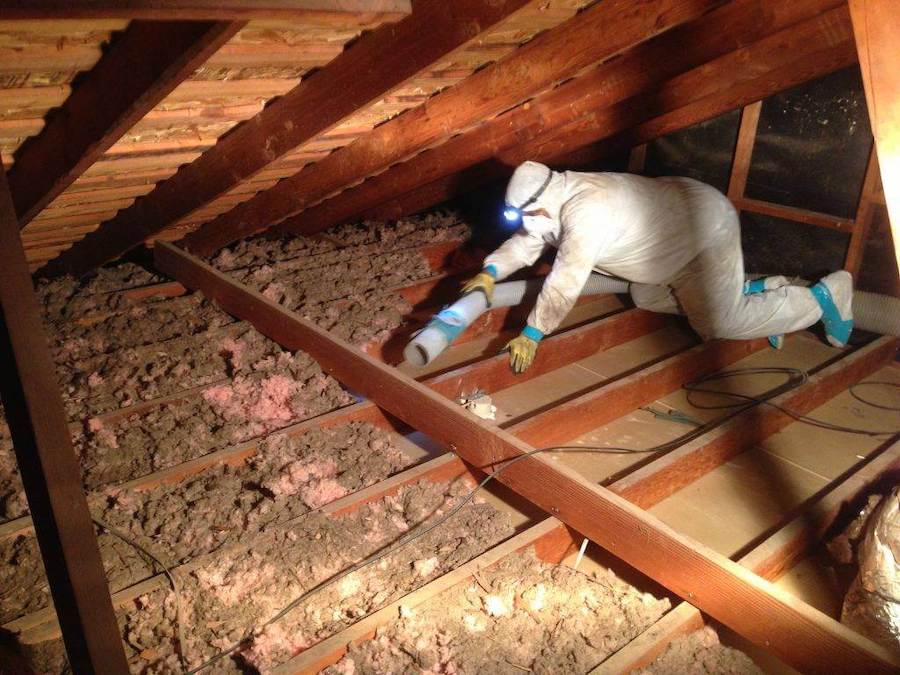
- Risk of Falls: Joists are often the only stable footing. One misstep could lead to falling through the ceiling.
- Lack of Proper Ventilation: Without a Velux or loft window, the risk of inhaling dust, mould spores, or dangerous contaminants is high.
- Contaminants: Decades of build-up can include rodent droppings, dead insects, mould, bird nests, and asbestos-containing materials.
- Sharp or Hazardous Debris: Old nails, glass, or even used syringes in neglected spaces.
- Compromised Pipework & Electricals: Poor visibility or unstable footing may lead to damaging plumbing or wiring, posing risks to life and property.
🛡️ Essential PPE & Safety Gear for Loft Cleaning
To reduce the risk of injury or exposure to hazardous materials, you must wear full protective gear:
- Steel toe safety boots – protect your feet from falling debris or hidden sharps.
- Hard hat (safety helmet) – protects your head from low beams or falling items.
- Coverall suits (preferably disposable) – shield your body from contamination.
- Gloves (nitrile or heavy-duty rubber) – prevent direct contact with waste and dirt.
- Professional face masks (FFP3 or better) – protect your lungs from dust, spores, or asbestos fibres.
- Goggles / Eye protection – prevent eye injuries from dust or particles.
- Ear protection – useful when using loud tools or vacuums in confined areas.
🛠️ Essential Tools & Equipment for Cleaning an Unboarded Loft
Cleaning a loft requires more than a broom and bin bags. You’ll need specialist tools and equipment for a thorough and safe job:
| Equipment | Purpose |
|---|---|
| Loft ladder | Safe access and exit |
| Professional HEPA vacuum cleaner | Dust and allergen removal |
| Ozone generator | Odour and bacteria removal |
| Heavy-duty bin bags | Waste segregation and disposal |
| Dust sheets | Protection for loft entrance and flooring below |
| Industrial broom & mop | Surface sweeping and final mop-down |
| Wood-safe cleaner | Cleaning beams or flooring without damage |
| Disinfectants & sanitisers | Kill mould, bacteria, and viruses |
| Deodorisers | Eliminate persistent odours |
🧼 Step-by-Step: How to Clean an Unboarded Loft Safely
✅ 1. Risk Assessment and Inspection
- Check the stability of joists.
- Identify visible hazards like rodent nests, sharp debris, water damage, or asbestos insulation.
- Ensure electricity is off if any wiring is exposed.
✅ 2. Gear Up
Put on all PPE before entry. If the loft lacks ventilation, allow for regular air breaks or use a powered air-purifying respirator.
✅ 3. Set Up Safety Access
Use a secure loft ladder and make sure it’s placed on a stable, flat surface. Lay down dust sheets at the access point.
✅ 4. Clear Loose Debris & Contaminants
Begin by carefully removing visible loose debris and placing it in strong bin bags. Avoid sweeping vigorously to prevent dust clouds.
✅ 5. Vacuuming with HEPA Filter
Use a high-powered vacuum with HEPA filtration to remove fine dust, allergens, and microscopic debris.
✅ 6. Surface Disinfection & Wipe Down
Use disinfectants to wipe down wood beams, pipework, and any flat surfaces. Use wood-safe cleaners where needed.
✅ 7. Ozone Treatment (if needed)
If the space has been affected by pest infestation, mould, or bad odours, perform an ozone purification cycle only once the space is vacated, as ozone can be hazardous if inhaled directly.
✅ 8. Final Mopping and Deodorising
Finish with a mop and deodorising spray to leave the space smelling fresh and clean.
🛠️ Protecting Pipework, Beams, and Infrastructure
During cleaning, it’s vital not to compromise the structural and utility features of the loft:
- Avoid placing weight on pipes or electrical cables.
- Use soft bristle brushes near plumbing joints.
- Do not mop saturated water around electrical boxes or insulation.
- Inspect timber beams for damage but avoid scraping or sanding if asbestos is suspected.
🧪 Dealing with Asbestos and Contaminants
If your loft insulation or structure contains old materials like vermiculite, Artex, or older boarding, these could contain asbestos. In this case:
- Do not disturb the material.
- Stop work and consult a licensed asbestos contractor.
- If minor contamination is present, professionals may use encapsulation techniques or safe bagging methods.
🦠 When Do You Need Loft Disinfection or Sanitisation?
Lofts affected by any of the following require disinfection and sanitisation services:
- Pest infestation (rodents, birds, insects)
- Mould outbreaks
- Foul odours or unidentified biological waste
- Property abandonment or hoarding situations
- Pre-renovation or home sale requirements
🧹 When to Call in a Professional Loft Cleaning Service
While some light cleaning can be done by individuals with the right gear, professional loft cleaning services are strongly recommended in cases involving:
- Large volumes of contamination
- Asbestos risk
- Severe pest or biohazard infestations
- Ongoing odour problems
- Insurance-related property claims
Professional teams are equipped with:
- Waste transfer licenses
- Biohazard and asbestos awareness training
- Commercial-grade ozone and disinfection equipment
- Secure waste disposal methods
🌬️ Loft Odour Removal and Ozone Purification
Ongoing odours from pests, mould, or stagnant air are difficult to remove without professional help. Using an ozone generator:
- Neutralises bacteria and fungi
- Removes airborne contaminants
- Permanently eliminates foul smells
This is best done after the space has been cleaned, and when the loft is unoccupied, followed by proper ventilation.
✅ Summary: A Safe and Thorough Loft Cleaning Process
| Step | Description |
|---|---|
| 📝 Planning | Inspect, risk assess, and gather PPE |
| 🚪 Access | Use stable ladder and secure entry |
| 🧹 Cleaning | Remove debris, vacuum, disinfect |
| 🌬️ Purification | Deodorise and ozone treat (if necessary) |
| ♻️ Disposal | Use proper bags and licensed waste removal |
| 👷 Pro Help | Contact professionals for dangerous materials |
👷♂️ Need Help with Loft Clearance or Cleaning?
At Hazard Cleaning Services, we specialise in:
- Safe loft clearance
- Deep loft decontamination
- Ozone purification & sanitisation
- Odour removal & vermin clean-up
- Licensed hazardous waste removal
Whether your attic space is unboarded, contaminated, or contains dangerous materials, our trained technicians ensure a safe, discreet, and fully compliant solution across the UK and Ireland.
📋 Detailed Loft Cleaning Checklist for Unboarded Lofts
Use this checklist to ensure every step of your loft cleaning project is covered safely and efficiently:
🛡️ 1. Personal Safety Equipment Checklist
Ensure every person entering the loft is equipped with the following:
- Steel-toe safety boots (non-slip soles)
- Hard hat / safety helmet
- Disposable or reusable coverall suit
- Heavy-duty gloves (nitrile or rubber)
- FFP3 or PAPR professional-grade mask
- Goggles or sealed safety glasses
- Ear protection (ear plugs or muffs)
🧰 2. Essential Tools & Equipment Checklist
Gather all necessary tools before entering the loft to avoid unnecessary movement:
- Loft ladder (certified and stable)
- Strong dust sheets (for floor protection)
- Commercial/HEPA-filter vacuum cleaner
- Broom (soft or medium bristle)
- Mop and bucket (wood-safe cleaning solution)
- Microfibre cloths or wipes
- Heavy-duty bin bags (puncture-resistant)
- Zip-tie bags (for sharps or suspected biohazards)
- Disinfectant spray (EN 1276 or EN 14476 certified)
- Wood cleaner or multi-surface cleaning fluid
- Deodorising spray (natural or chemical)
- Ozone generator (optional – for odour removal)
- Torch or headlamp (battery powered)
- Moisture meter (to check damp areas)
- Ladder stopper or footings (to secure ladder position)
- Spare PPE (in case of damage/soiling)
🛠️ 3. Pre-Cleaning Safety Checks
Before beginning any cleaning activity:
- Perform full visual inspection from the hatch
- Confirm no asbestos or suspicious materials are visible (if yes, stop immediately and call a specialist)
- Ensure no exposed electrical wiring or live sockets
- Confirm pipework is visible and protected
- Secure stable access via a safe, locked ladder
- Set up adequate lighting (battery-operated where possible)
- Lay dust sheets around hatch and room entry
- Inform someone else on-site that you’re entering the loft
🧹 4. Debris Removal and Initial Clearing
Carefully clear the space without kicking up excessive dust:
- Gently remove large debris into bags (wood, boxes, clutter)
- Identify and separate sharp items or suspicious waste
- Use vacuum to remove loose dust and debris between joists
- Inspect insulation – do not disturb if loose or granular
- Use grabbers or tongs if needed to avoid contact
🧼 5. Surface Cleaning
Once all loose debris is removed:
- Wipe down all accessible timber (rafters, joists) with wood-safe cleaner
- Use disinfectant spray or wipes on pipes and flat surfaces
- Mop small accessible areas, working gently between joists
- Check corners and vents for cobwebs and dust build-up
- Wipe inside of loft hatch door and surrounding timber
🦠 6. Sanitisation & Decontamination
If there has been pest activity or contamination:
- Apply disinfectant fogger or spray after vacuuming
- Treat known areas of mould with anti-fungal cleaner
- If rodent droppings are present, disinfect before removal
- Bag all contaminated waste separately and seal
- Wash or wipe down reusable tools with disinfectant
🌬️ 7. Ozone Purification & Odour Removal (Optional)
For spaces with bad odours or poor air quality:
- Ensure loft is fully cleared of personnel and pets
- Place ozone generator centrally
- Set timer (20–60 mins depending on space and contamination)
- Vacate the property and leave warning signage
- After cycle, allow for 2–4 hours of ventilation
♻️ 8. Waste Disposal Checklist
Ensure waste is disposed of correctly and lawfully:
- Separate hazardous waste, general waste, and recyclables
- Sharps or biohazard items bagged and labelled appropriately
- Check with local council or hire a licensed waste carrier
- Remove all tools and debris from loft and surrounding area
- Clean loft hatch and surrounding area before finishing
👷 9. Post-Cleaning Safety & Maintenance
Once the cleaning is complete:
- Final walkthrough of loft to ensure all areas cleaned
- Check for signs of leaks, damp or wood rot
- Inspect insulation for damage or displacement
- Photograph the space for documentation or property records
- Return all equipment to storage and dispose of PPE
- Wash hands and face thoroughly
✅ 10. Optional Add-On Services (Professional Use)
Depending on the condition of the loft, the following might also be included:
- Pest control inspection & proofing
- Installation of ventilation or dehumidifiers
- Thermal fogging or antimicrobial treatment
- Loft insulation removal and replacement
- Professional deodorising treatment
- Air quality monitoring (post-clean)
- Loft boarding (post-clean for access/future use)
Frequently Asked Questions (FAQs) About Loft Cleaning and Related Services
🧹 General Loft Cleaning FAQs
Q1: Is it safe to clean a loft that is not boarded?
A: No, not without taking proper safety precautions. Unboarded lofts pose a high risk of falling through the ceiling. Only trained individuals using appropriate PPE, secure loft ladders, and careful navigation across joists should attempt cleaning.
Q2: What should I wear when cleaning a loft?
A: Essential PPE includes: steel toe boots, hard hat, coveralls, FFP3 mask, gloves, goggles, and ear protection. This protects against dust, pests, sharp objects, and allergens.
Q3: What equipment is needed for thorough loft cleaning?
A: You’ll need a loft ladder, dust sheets, HEPA-filter vacuum, bin bags, disinfectants, mops, brooms, wood cleaner, ozone generator (for odour), and hand tools for debris removal.
Q4: How often should a loft be cleaned?
A: For maintained homes, once every 12–24 months. For neglected or inherited properties, immediate deep cleaning is recommended.
🧹 Loft Clearance FAQs
Q5: What is the difference between loft clearance and loft cleaning?
A: Loft clearance refers to removing items, clutter, and waste. Loft cleaning involves vacuuming, sanitising, and disinfecting surfaces after the space is cleared.
Q6: What types of waste are typically found in lofts?
A: Old furniture, boxes, rodent nests, insulation materials, wiring, mouldy cardboard, faeces, sharps, and even asbestos in older properties.
Q7: Do you take the waste away after clearance?
A: Yes. Reputable companies hold waste carrier licences and remove all waste legally to authorised disposal or recycling centres.
Q8: Can I keep certain items during loft clearance?
A: Yes. Items of sentimental or financial value can be set aside during the clearance process upon request.
🧴 Loft Disinfection & Sanitisation FAQs
Q9: When is loft disinfection necessary?
A: After rodent/bird infestations, mould outbreaks, or any biological contamination. Also essential before property sale or loft insulation replacement.
Q10: What disinfectants are used?
A: Industrial-grade disinfectants certified under EN 1276 or EN 14476 to kill bacteria, viruses, and fungi are commonly used.
Q11: What is the difference between disinfection and sanitisation?
A: Disinfection eliminates 99.999% of pathogens; sanitisation reduces bacteria to a safe level. Both are important but serve slightly different purposes.
☣️ Loft Decontamination FAQs
Q12: What is loft decontamination?
A: It’s a deep cleaning process involving hazardous waste removal, pest-related contamination control, microbial treatment, and full disinfectant fogging or ozone cleaning.
Q13: Is it safe to clean a loft with asbestos?
A: No. If asbestos is suspected (e.g., in insulation or pipe lagging), stop immediately and contact a licensed asbestos removal professional.
Q14: Do you test for harmful substances in the loft?
A: Some specialist companies offer air quality tests and surface swabs to identify mould, bacteria, and airborne toxins.
🌬️ Loft Odour Removal FAQs
Q15: Why does my loft smell bad?
A: Common causes include rodent/bird droppings, decaying animals, mould, dampness, or decades of uncleaned insulation.
Q16: How are bad odours removed from a loft?
A: After cleaning, a deodorising treatment is applied. Ozone generators may be used to eliminate odours at a molecular level.
Q17: Is ozone safe to use in lofts?
A: Yes—if used correctly. The loft must be vacated during treatment, and re-entry only allowed after a safe ventilation period.
🐿️ Dead Squirrel & Rodent Removal FAQs
Q18: What should I do if I find a dead squirrel in my loft?
A: Do not touch it with bare hands. Dead animals carry diseases. Contact a biohazard or pest removal service for safe disposal and disinfection.
Q19: Can dead rodents cause health issues?
A: Yes. Their decomposition releases harmful bacteria and attracts flies, mites, and other pests. They can cause odours, airborne pathogens, and structural damage.
Q20: Will you remove the dead animal and sanitise the area?
A: Yes. The removal is followed by full disinfection, odour neutralisation, and pest-proofing advice if needed.
🐁 Mouse Droppings & Infestation FAQs
Q21: Are mouse droppings in the loft dangerous?
A: Yes. They can contain hantavirus, leptospirosis, and other pathogens. They should only be cleaned with proper PPE and disinfectant.
Q22: How do you clean mouse droppings safely?
A: First, spray a disinfectant to dampen droppings. Never sweep them dry. Use a vacuum with HEPA filter, then disinfect the entire affected area.
Q23: Can I prevent future mouse infestations?
A: Yes. Seal entry points, install mesh over vents, and avoid storing food or fabrics in the loft. A pest control service can provide proofing.
🦇 Bats in the Loft FAQs
Q24: I’ve found bats in my loft – what now?
A: Bats are protected by UK law. It is illegal to disturb, move, or harm them without a licence. Contact Natural England or a bat conservation group before doing anything.
Q25: Can you clean a loft with bat droppings?
A: Cleaning is only allowed when no bats are present and after permission is granted. Bat droppings (guano) can be messy but are not generally harmful.
Q26: Will bats return after removal?
A: If not legally proofed or if access points remain, bats may return. Professional bat surveyors can advise on lawful exclusion methods.
⚠️ Hazards & Professional Services FAQs
Q27: Is loft cleaning a DIY job?
A: For lightly used, boarded, and safe lofts—possibly. For unboarded, contaminated, or pest-affected lofts, always call professionals due to risk of harm or illness.
Q28: What training do loft cleaning professionals have?
A: They hold certifications in biohazard handling, asbestos awareness, pest control, waste transport, and use of ozone or fogging machines.
Q29: Is loft cleaning insured?
A: Professional companies carry liability insurance for damage, injury, and biohazard operations. Always confirm before hiring.
Q30: How long does a full loft clean and clearance take?
A: From 3 hours to 2 days, depending on size, contamination level, waste volume, and required services (e.g., sanitisation, deodorising, or repairs).
🧾 Service & Pricing FAQs
Q31: How much does loft clearance cost in the UK?
A: Average prices range from £250–£650+ depending on access, contamination level, and size. Decontamination and sanitisation services add extra.
Q32: Is waste disposal included in the price?
A: Usually, yes. However, hazardous waste like asbestos or sharps may incur extra charges due to specialist handling.
Q33: Can I book a combined service (e.g., clearance + sanitisation)?
A: Absolutely. Most companies offer tailored packages including clearance, disinfection, deodorising, pest proofing, and waste removal.
Q34: Do I need to be home during the service?
A: For health and safety, it’s often best to remain on site (in a separate area). But services can also be done without your presence with prior arrangement.
Why Biohazard Cleaning Company Is the Most Trusted Loft Cleaning Specialist Across the UK & Ireland
When it comes to loft cleaning, clearance, disinfection, and decontamination, few companies have earned the level of trust and recognition that Biohazard Cleaning Company has across England, Scotland, Wales, and Ireland. With a strong commitment to safety, integrity, and exceptional results, we are proud to be the go-to name for high-risk and specialist loft cleaning services.
Here’s why property owners, landlords, housing associations, and commercial clients consistently choose us:
✅ 1. Unmatched Expertise in Hazardous and High-Risk Environments
We specialise in cleaning unboarded, contaminated, and neglected lofts—including those containing:
- Rodent and bird infestations
- Asbestos risk materials
- Human and animal waste
- Sharps and hazardous items
- Dead animals or decaying matter
- Mould, damp, and structural contamination
Our team is trained in biohazard management, asbestos awareness, sharps handling, and airborne contaminant control—ensuring that every job is carried out with maximum safety and professionalism.
✅ 2. Fully Certified, Licensed & Insured
We operate with:
- Full waste carrier licences (Upper Tier)
- Biohazard and trauma scene cleaning certifications
- Public and employer liability insurance
- UKAS-standard disinfectant usage
- Enhanced PPE compliance and risk assessment procedures
Clients trust us because we go beyond surface-level cleaning—we make your loft space safe, sanitised, and legally compliant.
✅ 3. Comprehensive Loft Services Under One Roof
Unlike general cleaning companies, we offer complete loft solutions, including:
- Loft clearance (domestic, commercial, probate, hoarding)
- Deep loft cleaning (including unboarded areas)
- Disinfection & anti-viral fogging
- Odour removal & ozone purification
- Rodent droppings removal & sanitisation
- Dead animal recovery & decontamination
- Mould cleaning & damp assessment
- Sharps and hazardous waste removal
We also provide follow-up inspections, before/after reports, and optional preventive treatments like pest proofing and deodorising.
✅ 4. Discreet, Respectful & Rapid Response Service
We understand that loft contamination can be sensitive and distressing. That’s why our team works with:
- Absolute discretion
- Unbranded vans (on request)
- 24/7 emergency call-outs
- Compassionate, respectful communication
- Timely arrival and guaranteed satisfaction
From residential homes to commercial buildings and tenanted properties, we offer non-judgmental, hassle-free service with minimal disruption.
✅ 5. Trusted Across the UK & Ireland
With a robust network of technicians and rapid response teams, we proudly serve:
- 🏠 England
- 🏠 Scotland
- 🏠 Wales
- 🏠 Northern Ireland & Republic of Ireland
Wherever you are, our nationwide coverage ensures that help is never far away.
📞 Contact the Experts Today
For fast, safe, and certified loft cleaning, clearance, and decontamination services, contact us directly:
📞 +44 7506 709450
📧 hello@biohazardcleaners.co.uk
🌐 www.biohazardcleaners.co.uk
We are here to help 24/7—no matter how complex the job. Let Biohazard Cleaning Company restore safety, hygiene, and peace of mind to your loft space.